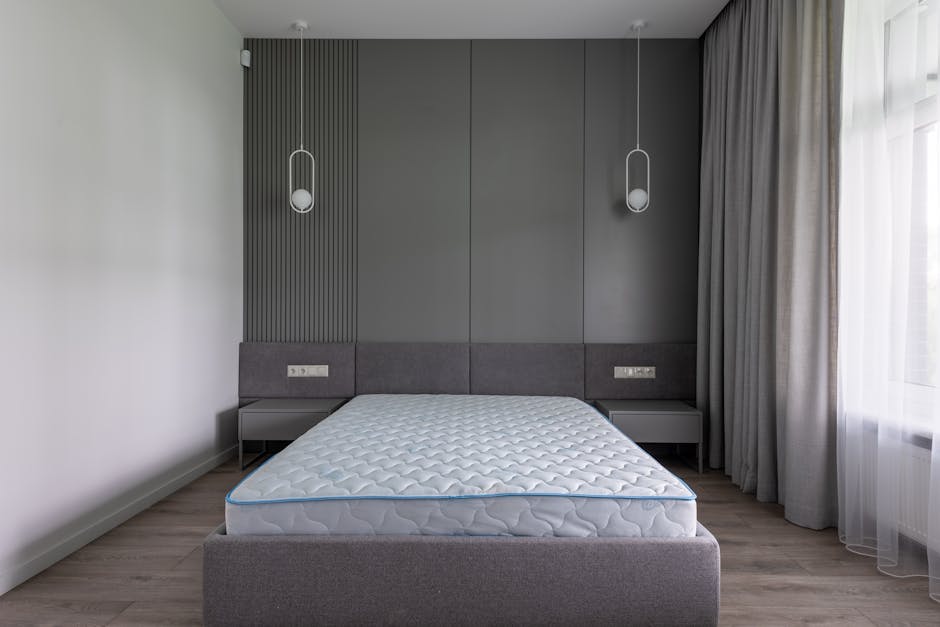
Enfield Council cleaning rules and mattress disposal guidance: a practical local guide
If you are trying to work out Enfield Council cleaning rules and mattress disposal guidance, you are probably dealing with one of two things: a move-out deadline that is suddenly very real, or a bulky mattress that is awkward to shift and somehow always arrives at the worst time. Truth be told, both jobs can feel more confusing than they should. What counts as "clean enough"? Can a mattress go out with normal rubbish? What happens if you leave it in the hallway for a bit too long?
This guide brings the whole thing into plain English. You will get a clear explanation of how cleaning expectations usually work, how mattress disposal is normally handled in local authority areas like Enfield, and what sensible steps to take so you avoid fines, delays, or that dreaded last-minute scramble. Where council rules or collection arrangements can change, we keep things careful and practical.
Table of Contents
- Why Enfield Council cleaning rules and mattress disposal guidance matters
- How it works in practice
- Key benefits and practical advantages
- Who this is for and when it makes sense
- Step-by-step guidance
- Expert tips for better results
- Common mistakes to avoid
- Tools, resources and recommendations
- Law, compliance, standards, or best practice
- Options, methods, or comparison table
- Case study or real-world example
- Practical checklist
- Conclusion
- Frequently asked questions
Why Enfield Council cleaning rules and mattress disposal guidance matters
Cleaning rules and bulky waste guidance matter for a very simple reason: they affect what happens next. If you are moving out, handing back a rental, clearing a property, or simply trying to dispose of an old mattress responsibly, the wrong approach can create extra charges, missed deadlines, complaints from neighbours, or an avoidable mess outside the property.
There is also a wider point here. Councils generally want waste handled safely, not dumped, and landlords or agents usually expect homes to be left in a clean, presentable condition. That means a mattress left on a pavement, or a flat left with crumbs, odours, mould patches, and a half-cleaned kitchen, is likely to become someone else's problem. And then it becomes your problem again. Funny how that works.
In Enfield, as in most London boroughs, the practical challenge is usually not the principle; it is the detail. You need to know how to prepare items, what level of cleaning is expected in different situations, and when specialist help makes more sense than a quick DIY attempt. For a full-home reset, many residents use a deep cleaning service or book targeted help such as end of tenancy cleaning when the pressure is on.
Expert takeaway: If you are moving or clearing a home, treat cleaning and disposal as one project, not two separate jobs. That is usually where people save time, money, and a bit of sanity.
How Enfield Council cleaning rules and mattress disposal guidance works
The practical side usually falls into two parts: keeping the property clean to an expected standard, and disposing of a mattress in a compliant way. These are related, but not identical.
1. Cleaning expectations are context-based
There is no single "one-size-fits-all" standard for every property situation. A family home being maintained week to week is different from a student flat at the end of a tenancy, and both are different again from a property being prepared for sale. In general, the cleaner and more organised the property, the easier it is to avoid disputes.
If you are leaving a rental, the sensible benchmark is usually the condition expected by the landlord or letting agent, plus a reasonable level of cleanliness. That often includes kitchens, bathrooms, floors, skirting boards, internal glass, and any neglected areas like behind appliances. A property with obvious grime or odour will often need more than a quick surface tidy. If the kitchen is the usual battleground, an oven cleaning appointment can make a surprisingly big difference.
2. Mattress disposal should be planned, not improvised
Mattresses are bulky, awkward, and not something you simply shove into the normal bin system. In most cases, they need a separate collection route, a reuse or recycling route, or a private clearance arrangement. Leaving one in a communal area, staircase, or outside on the street can create issues very quickly, especially in blocks of flats or shared housing.
If a mattress is stained, damp, or badly damaged, it is less likely to be suitable for reuse. That does not mean it has no value as a waste item, but it does mean you should be realistic about the disposal route. Some households also decide to arrange house clearance when there are several bulky items to remove at once, which is often much easier than handling a mattress on its own and then dealing with three more bits of furniture later.
3. The council process is usually about preparation and collection rules
Even where a local authority offers bulky waste services, the basics tend to be the same: the item must be ready on time, placed in the correct location, and not mixed with loose rubbish. A mattress may also need to be protected from rain or contamination if it is waiting outdoors. This is one of those small details people forget at 7 a.m. on collection day, and then, well, the mattress ends up soaked and awkward.
For items that are still in decent condition, it can be worth considering reuse or donation routes before disposal. If not, make sure the disposal method matches the item type and condition. That is the bit that keeps things tidy and prevents unnecessary hassle.
Key benefits and practical advantages
Following the right approach brings more than compliance. It makes the whole process easier, calmer, and often cheaper in the long run.
- Less risk of extra charges: A clean property is less likely to trigger end-of-tenancy disputes or call-backs.
- Faster handovers: When mattresses and other bulky waste are sorted properly, move-out day runs more smoothly.
- Better hygiene: Old mattresses can hold odours, dust, sweat residue, and allergens. Cleaning or removing them properly improves the space immediately.
- Improved recycling outcomes: Responsible disposal gives bulky items a better chance of being handled correctly rather than simply dumped.
- Reduced neighbour complaints: Nobody enjoys seeing a mattress leaning against a communal wall for three days. It looks untidy, and it can attract attention for the wrong reasons.
- Less stress at the last minute: Planning ahead removes the "what do we do with this now?" panic that always seems to arrive after lunch on moving day.
If you are sorting several surfaces at once, a more complete package such as one-off cleaning or move-out cleaning can save a lot of back and forth, especially when there is furniture to remove and dust in every corner.
Who this is for and when it makes sense
This guidance is useful for more people than you might think. It is not just for tenants at the end of a lease, although they are a big part of the picture.
- Tenants who need to leave a property clean and avoid deductions.
- Landlords and letting agents who want a fast, presentable turnaround.
- Homeowners preparing a property for sale, renovation, or family use.
- Shared household residents dealing with bulky waste in a flat or HMO setting.
- Property managers responsible for communal areas, storage rooms, or tenancy turnover.
- Anyone replacing a mattress who needs to clear the old one without causing a nuisance.
It also makes sense if you have a mattress that is no longer usable but you are not sure whether to clean it, recycle it, or throw it away. A quick example: if the mattress has a light mark but is structurally sound, you may want to combine disposal planning with targeted mattress cleaning or stain removal before deciding it has reached the end of its life. If it is sagging, mouldy, or unpleasantly odorous, disposal is usually the better call.
Step-by-step guidance
Here is a practical way to handle the job without missing anything important.
- Check what situation you are in. Are you moving out, clearing a property, replacing furniture, or just doing a seasonal reset? The answer shapes what matters most.
- Review your cleaning target. For rentals, use the check-in or inventory condition if available. For your own home, set the bar at "clean, hygienic, and ready for the next person to use".
- Identify all bulky items. Make a short list of the mattress, bed frame, broken furniture, old rugs, or anything else that cannot go in regular bins.
- Decide what can be reused or cleaned. Not everything needs to be thrown away. A mattress with a minor issue may be cleaned; a sofa with a structural problem probably needs removal.
- Book the right service or disposal route. If there is a full property to handle, a combined cleaning plan is often the easiest route. Consider regular cleaning if you want ongoing upkeep, or domestic cleaning for a broader household reset.
- Prepare the mattress correctly. Strip bedding, remove protectors, and keep the item as dry and clean as possible before moving it.
- Place items where they belong. If a collection is arranged, follow the instructions exactly. In communal blocks, avoid blocking hallways or fire exits. That one matters a lot.
- Do a final walk-through. Check under beds, behind doors, around skirting boards, and inside cupboards. It is usually the small forgotten bits that cause the biggest annoyance.
If you are dealing with a more demanding property, such as after renovation or a long vacancy, the usual approach is to combine removal with after builders cleaning or a more intensive move-in cleaning service before the space is used again.
Expert tips for better results
A few habits make a big difference. Not flashy stuff. Just the kind of practical detail that saves you from redoing work later.
Work from the top down
Always start higher up and finish on the floor. Dusting shelves, ledges, and the top of wardrobes before vacuuming is basic, but it is amazing how often people reverse the order and then wonder why the room still feels dusty.
Deal with odour early
If a mattress or room smells stale, do not wait until the very end to address it. Odour often comes from moisture, fabric build-up, or long-term neglect. In those cases, the issue may extend to bedding, upholstery, carpets, or curtains too. A deeper refresh can include steam carpet cleaning, upholstery cleaning, or even curtain cleaning where fabrics have absorbed smells over time.
Do not ignore communal spaces
In flats and shared buildings, halls, stairwells, bin stores, and entryways matter. A tidy flat with a mattress dumped in the landing outside still causes a problem. If your building has shared areas that need attention, communal area cleaning can help keep standards consistent and reduce friction with neighbours.
Take photos before and after
This is especially useful for tenants and landlords. A few time-stamped photos can help show that the property was left clean, and that the mattress was removed properly. No drama. Just evidence.
Use the right cloth for the right job
Microfibre cloths are excellent for most surfaces. For floors, make sure you are using a method that suits the material. A laminated hallway, a sealed wood floor, and a stone kitchen floor are not all cleaned the same way. If in doubt, refer to hard floor cleaning for the right treatment approach.
Common mistakes to avoid
Most problems with mattress disposal and property cleaning come from a handful of predictable mistakes. Easy to make. Easy to avoid once you know them.
- Leaving the mattress out too early: It can block access, attract weather damage, or create a nuisance before collection day.
- Assuming general rubbish rules apply: Mattresses are bulky waste, not ordinary bin waste.
- Forgetting hidden areas: Under beds, behind radiators, above cupboards, and inside appliances are all classic miss points.
- Using too much water on upholstery or mattresses: Over-wetting can worsen odours and drying time.
- Not checking tenant obligations: If you are moving out, the inventory condition matters more than your personal idea of "it looks fine".
- Mixing disposal with clutter clearing: A mattress might be part of a larger job. If so, handle the whole pile rather than leaving half of it for later.
- Ignoring recycling options: If the mattress can be routed to recovery or recycling, that is often the more responsible choice.
Let's face it, the biggest mistake is usually waiting until the last evening. Once the bins are full, the lift is broken, and the van is due at 8 a.m., everything feels ten times harder.
Tools, resources and recommendations
You do not need a giant toolkit to deal with this properly, but a few basics help a lot.
Useful cleaning tools
- Microfibre cloths
- Vacuum cleaner with crevice tool
- Mop and bucket
- Soft brush for skirting boards and vents
- Gloves for handling bulky items
- Bin bags for small waste and packaging
Useful service options
If you are looking for a broader clean, the right service depends on the property and the level of buildup. A homeowner might only need house cleaning, while a landlord preparing a turnaround may prefer move-out cleaning. Offices and shared premises may need office cleaning or commercial cleaning instead.
For mattresses and related fabrics
Mattresses do not exist in a vacuum, so to speak. They sit in a bedroom with other dust-holding fabrics and furniture. If you are trying to improve the room as a whole, it can make sense to include rug cleaning, sofa cleaning, and pet stain odour removal where needed.
House clearance support
When the amount of stuff is simply too much to handle alone, a clearance service is often the calmest option. It is especially useful if you are emptying a spare room, inherited property, or rental flat with leftover furniture and bedding. That is where house clearance really earns its keep.
Law, compliance, standards, or best practice
Because this topic touches waste handling, property condition, and safe disposal, it is worth being careful. Different councils can set their own operational rules for collections, bookings, and presentation of items, so always confirm the current local process before putting out bulky waste. That is the honest answer, even if it is not the tidiest one.
From a general UK best-practice point of view, you should:
- Keep waste within approved collection arrangements.
- Prevent items from blocking access routes, especially in flats and communal buildings.
- Avoid fly-tipping or leaving waste in public spaces without permission.
- Use sensible hygiene and safety measures when moving bulky items.
- Document handover condition where a tenancy or managed property is involved.
On the cleaning side, the standard is usually functional cleanliness and hygiene rather than a perfect showroom finish, unless a contract, inventory, or agreement says otherwise. If you are unsure what that means in your situation, read your tenancy terms, building rules, or property instructions carefully. If needed, the company's own terms and conditions and health and safety policy are useful references for how professional work is handled.
Options, methods, or comparison table
There are a few ways to deal with a mattress and the surrounding cleaning job. Here is a simple comparison to help you choose the right route.
| Option | Best for | Pros | Watch-outs |
|---|---|---|---|
| DIY cleaning and disposal | Small jobs, low budget, light cleaning needs | Cheapest upfront, flexible timing | Takes time, easy to miss hidden dirt, mattress disposal can be awkward |
| Council-style bulky waste route | Single mattress or a few bulky items | Responsible disposal, less hassle than doing it alone | Usually needs correct booking and preparation, timing can be fixed |
| Professional cleaning only | Property is staying in use, mattress is being kept | Better hygiene, stronger finish on fabrics and rooms | Does not remove the old mattress if it is beyond saving |
| Full clearance and clean | Moves, probate, full property turnover, major declutter | Most complete solution, less stress overall | Higher upfront spend than doing part of it yourself |
For many people, the best result is a mix: clean the home thoroughly, remove the old mattress the right way, and only then tackle the final detail work. That approach is particularly useful if you also need carpet cleaning or window cleaning before handover. The whole property just feels finished, you know?
Case study or real-world example
A typical Enfield move-out situation goes something like this. A tenant has a double mattress that is no longer comfortable, a bedroom with dust behind the bed, and a kitchen that has not had a proper deep clean in months. The tenancy end date is close, the removal van is booked, and everyone is suddenly very interested in time.
Instead of trying to solve everything in one rushed evening, the tenant first separates the job into two parts: disposal and cleaning. The mattress is stripped, bagged where needed, and prepared for removal through the appropriate route. At the same time, the room gets a proper clean, including skirting boards, cupboard tops, the inside of the wardrobe, and the carpet under the bed. The kitchen follows with oven, hob, sinks, and tile splashbacks.
The result is simple: no bulky item left in the hallway, no sour mattress smell drifting through the flat, and no panicked second visit because something was overlooked. It is a small example, but it reflects what usually works in real life. Split the task, handle the waste properly, and clean with a handover in mind.
In homes with pets, the job may need one more layer. A mattress can carry pet odours, but so can soft furnishings, rugs, and carpets. That is where a broader clean becomes useful, especially if the room has been lived in hard for a while. To be fair, homes are meant to be lived in. They just need the right reset now and then.
Practical checklist
Use this checklist before moving day, collection day, or any property handover.
- Confirm whether the mattress is being kept, cleaned, or disposed of.
- Check council or building instructions for bulky waste handling.
- Remove bedding, mattress protectors, and loose items.
- Make sure the item is dry and ready for collection.
- Keep hallways, exits, and communal areas clear.
- Vacuum under beds, behind furniture, and along edges.
- Clean the kitchen, bathroom, floors, and high-touch spots.
- Deal with odours before the final walk-through.
- Take photos once the property is finished.
- Keep receipts or booking records if you used professional help.
If you are short on time, the fastest win is usually to focus on the visible surfaces first, then the hidden bits, then the waste. Not glamorous. Very effective.
Get a free quote today and see how much you can save.
Conclusion
Enfield Council cleaning rules and mattress disposal guidance are really about making a messy transition smoother. Whether you are moving out, replacing furniture, or clearing a property, the key is to treat the cleaning and disposal as connected jobs. Once you separate what can be cleaned from what needs to go, the rest becomes much easier.
A tidy home, a properly handled mattress, and a sensible final check can prevent most of the stress that people associate with moving day. And if the task is bigger than expected, there is no shame in getting support. That is often the calmest choice, honestly.
Do the practical thing first, then the clever thing. That usually gets you home faster.
Frequently Asked Questions
What are Enfield Council cleaning rules and mattress disposal guidance in simple terms?
In simple terms, they are the practical rules around keeping a property clean and disposing of a mattress the right way. Cleaning expectations depend on the situation, while mattress disposal usually needs a proper bulky waste route or another approved method.
Can I put a mattress in my normal household bin?
No, a mattress is too bulky for normal household bin collection in most cases. It usually needs a separate disposal method, and you should follow the current local arrangement rather than guessing. That saves hassle later.
Do I need to clean a mattress before disposal?
Usually, you should at least strip bedding and keep it as dry and tidy as possible. A heavily soiled mattress may still need disposal, but preparing it sensibly helps with handling and collection.
What cleaning level is expected when moving out of a rental property?
Usually, the property should be left clean, hygienic, and in a condition that matches the tenancy agreement and inventory expectations. Kitchens, bathrooms, floors, and hidden dust traps are the areas that most often matter.
What happens if I leave a mattress in a communal hallway?
That can create an obstruction, trigger complaints, or cause issues with building rules. In flats and shared buildings, bulky waste should never block exits or communal access routes.
Is mattress cleaning better than mattress disposal?
It depends on the condition of the mattress. If the mattress is structurally sound and the issue is surface dirt or a small stain, cleaning may help. If it is sagging, mouldy, or deeply damaged, disposal is usually the better option.
How do I know if I need house clearance instead of a single-item collection?
If you have more than one bulky item, or if the room or property is full of leftover items, house clearance is often the better choice. It is usually more efficient than arranging separate removals.
Can cleaning services help with odours as well as dirt?
Yes, depending on the source of the smell. Odours can come from carpets, upholstery, curtains, pet accidents, or neglected surfaces. In those cases, targeted services such as stain removal or pet stain odour removal can make a real difference.
What is the easiest way to prepare for a mattress collection?
Strip the bedding, move the mattress to the agreed location only when needed, and make sure the route is clear. If the item is part of a larger clean-up, do the disposal after the floor space is ready.
Should I book cleaning before or after mattress disposal?
Usually, it is best to remove the mattress first if it is blocking access. Then clean underneath, around the frame, and in the wider room. That gives you better access and a cleaner final result.
Are professional cleaning services useful for end-of-tenancy situations?
Yes, very often. End-of-tenancy jobs are time-sensitive and detail-heavy, so professional support can help with the final standard, especially when there is a mattress, carpet, oven, or upholstery involved.
What if I am not sure whether my mattress can be reused?
Look at the structure first. If it has major sagging, deep staining, mould, or persistent odour, reuse may not be realistic. If it is mostly sound, cleaning or inspection may be worth considering before disposal.
Where should I start if the whole property feels overwhelming?
Start with waste removal, then tackle the most visible rooms, then finish with detail work like floors, skirting boards, and glass. A simple sequence keeps the job manageable and stops you jumping around the property all day.
If you want a cleaner handover and less stress on the day, the smartest move is to plan early and use the right service for the right job. It is a small bit of organisation, but it makes the whole thing feel lighter.