Avoid hidden cleaning charges in Enfield Council commercial jobs
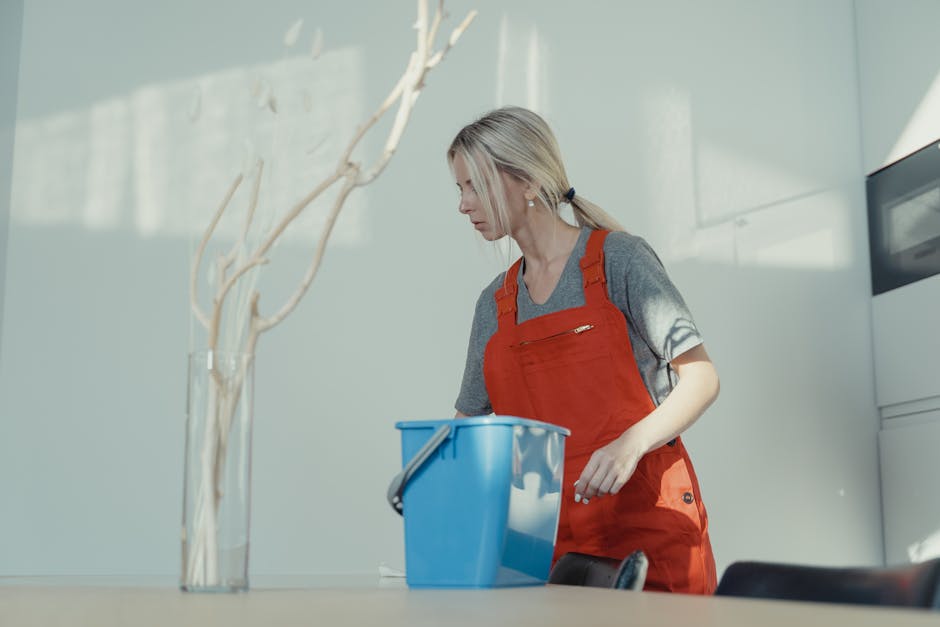
If you are arranging cleaning for a school, office, housing block, public building, or contractor handover in Enfield, the last thing you want is a quote that looks tidy on paper and then grows legs. Hidden extras have a habit of showing up at the worst moment: after the clean, during invoice approval, or when a manager is already juggling three other jobs and a phone that won't stop ringing. This guide explains how to avoid hidden cleaning charges in Enfield Council commercial jobs, what to check before you agree a price, and how to keep the whole process fair, transparent, and easy to sign off.
Truth be told, most pricing disputes are not about the cleaning itself. They usually come from assumptions. One side assumes a stain is standard, the other calls it specialist. One side expects access to be straightforward, the other arrives to find locked rooms, parking issues, or a site that needs extra time. That is exactly why clear scope, plain-language quotes, and sensible expectations matter so much.
In the pages below, you will find a practical, no-nonsense approach to cleaner pricing, common cost traps, the questions to ask upfront, and the paperwork that helps protect both budget and service quality. If you manage facilities, property, procurement, or site operations, this should save you a few headaches. And probably a few awkward emails too.
Why hidden charges matter in Enfield Council commercial work
Commercial cleaning for council-related sites is rarely a simple domestic-style visit. There may be multiple rooms, shared areas, access controls, operational hours, safeguarding rules, or staged handovers. Because of that, the scope can expand quickly if nobody defines the job properly from the start. A quote that seems cheap can become expensive once add-ons appear for waste removal, extra labour, specialist stain removal, after-hours work, or travel that was never discussed clearly.
That matters for three reasons. First, budgets in public and quasi-public settings are often tight and need reliable forecasting. Second, poor pricing transparency can delay approval and create tension between facilities teams and contractors. Third, hidden extras make it harder to compare providers fairly. You may think you are comparing like for like, but you are really comparing one provider's full package with another provider's base rate plus a long list of "as required" charges. Not ideal.
There is also a trust angle. When a contractor is open about pricing, they usually tend to be more organised elsewhere too: access planning, supervision, cleaning method, and post-job sign-off. That does not mean every transparent quote is perfect, of course, but it is a strong signal.
Expert summary: the cheapest quote is not always the best value; the safest quote is the one that clearly states what is included, what is excluded, and what conditions could change the price.
If you are comparing cleaning providers, it helps to start with their pricing and quotes approach, then check the service scope against the specific building or site. For larger properties or more complex work, commercial cleaning and office cleaning pages can be useful reference points for what a structured service usually includes.
How hidden charge prevention works in practice
To avoid hidden cleaning charges in Enfield Council commercial jobs, you need to make the pricing model visible before work starts. That sounds obvious, yet this is where many projects wobble. A proper quote should show the base service, the assumptions behind it, and the conditions that trigger extra costs. If those conditions are vague, so is the final bill.
Here is how it tends to work in practice. A supplier may price by hourly rate, by room or area, by square footage, or by a fixed job fee. Each method can be fair, but only if the scope is nailed down. For example, an hourly rate may suit unknown or reactive work, while a fixed fee may suit a repeatable site with predictable access and routine tasks. Problems appear when a fixed quote quietly depends on "normal conditions" that nobody bothered to define.
Common charge triggers include heavy soiling, biohazards, deep carpet recovery, specialist equipment, restricted access, lift delays, parking permits, late key collection, lock changes, out-of-hours attendance, or additional call-backs caused by incomplete instructions. Sometimes the issue is not even the cleaning. It is the waiting around. A team arrives at 7:30am, then sits outside a locked door until someone from facilities turns up. Time ticks on, naturally.
That is why the best jobs start with a clear survey or at least a detailed pre-quote conversation. Photos help. So do room counts, access notes, and a simple description of surfaces and conditions. If the job involves floorcare, upholstery, or stained soft furnishings, it may also help to outline which specialist services are relevant, such as carpet cleaning, hard floor cleaning, or upholstery cleaning.
The practical trick is to stop treating the quote as a sales form and start treating it as a mini scope document. A little less glamour, a lot fewer surprises.
Key benefits and practical advantages
When you remove hidden charges from commercial cleaning pricing, the benefits are bigger than just saving money on one invoice. The whole job becomes easier to manage.
- Cleaner budget control: you can forecast spend with less guesswork and fewer emergency approvals.
- Fair comparison between suppliers: you can compare proper scope, not just headline price.
- Faster sign-off: managers and procurement teams can approve a quote when the assumptions are clear.
- Fewer disputes: there is less back-and-forth after the clean about "what was included".
- Better service matching: the cleaning method is more likely to fit the actual site conditions.
- Stronger supplier accountability: a transparent quote makes it easier to hold the contractor to what was agreed.
There is also a subtle but important operational benefit: fewer awkward last-minute decisions. If everyone already knows whether waste disposal, post-build dust, or stain treatment sits inside the job or outside it, the team can move faster on the day. That matters in busy settings where site access may be limited to a narrow window.
For recurring work, the savings are even more noticeable. A well-scoped regular cleaning contract can often reduce the chance of surprise add-ons, because the service becomes predictable. For one-off or intensive jobs, deep cleaning may be the better fit if the building has been neglected or heavily used.
Who this is for and when it makes sense
This topic is relevant to anyone responsible for buying, approving, or coordinating commercial cleaning in or around Enfield. That includes facilities managers, office managers, estate teams, procurement staff, caretakers, housing officers, project managers, and anyone else who has to keep a building running while keeping costs under control.
It is especially useful when the job involves one or more of these situations:
- multiple rooms or floors
- shared entrances or communal circulation areas
- restricted access windows
- after-works or out-of-hours attendance
- mixed surfaces like carpets, vinyl, hard floors, glazing, or upholstery
- post-refurbishment or post-contractor handover cleaning
- dirty, aged, or poorly maintained areas where the condition may be worse than expected
If that sounds familiar, you are not alone. In our experience, many pricing headaches happen in buildings that are busy during the day and only partially accessible in the evening. You get a very short clean, a half-briefed handover, and then someone wonders why the final bill has a surprise line item. A classic.
It also makes sense for teams comparing a one-off visit with a longer-term arrangement. For instance, if a site needs a reset after works or a tenancy change, one-off cleaning may suit better than a repeat schedule. If the job is tied to a move, move-out cleaning and move-in cleaning can provide a better frame for what should be included.
Step-by-step guidance
Here is a straightforward process you can use before you sign off any cleaning quotation.
- Define the site and the objective. Is this a routine office clean, a post-build refresh, a communal area clean, or a specialist stain removal job? The objective shapes the price.
- List every area included. Rooms, corridors, reception spaces, kitchens, washrooms, stairwells, entrances, and shared spaces should all be named.
- State the condition honestly. If carpets are heavily marked, floors are sticky, or windows have not been cleaned in ages, say so. Do not soften the language. This is not the time for diplomacy.
- Explain access details. Key collection, security escorts, loading bays, lift access, parking, and timed entry all matter.
- Ask what is excluded. The word "excluded" is your friend. It forces clarity on stain treatment, waste handling, specialist materials, and re-visits.
- Request a written breakdown. Ask for the base price, the assumptions, and the likely extras if the scope changes.
- Confirm the pricing trigger for variations. What has to happen before the provider can charge more? And who has to approve it?
- Check the sign-off route. Make sure the person authorising the quote is the same person who understands the scope. Otherwise you get crossed wires later.
- Keep a copy of the agreement. Save the quote, the scope notes, and any email clarifications in one place.
- Inspect the result quickly. A same-day or next-day review catches issues before they turn into invoice disputes.
If the job includes external or specialised surfaces, ask whether services like window cleaning, facade cleaning, gutter cleaning, or patio cleaning are priced separately. In many cases they are. Better to know now than discover it later with a sigh and a spreadsheet.
Expert tips for better results
These are the small things that make a surprisingly large difference.
Use photos, not just descriptions. A few clear pictures of traffic lanes, stains, taps, skirting, or hard-to-reach spots reduce misunderstandings. It is hard for a supplier to argue with a photo of a very muddy entrance mat.
Ask for the price logic, not just the number. If a provider says a job is priced at a flat rate, ask what that flat rate assumes. The answer should be concrete: area size, soil level, access time, and whether equipment is included.
Separate routine work from exceptional work. A standard clean should not quietly absorb deep stain removal, restoration work, or specialist odour treatment. If those are needed, list them separately. For example, a site with visible spill damage may need stain removal or even pet stain odour removal in certain environments.
Watch for vague phrases. "As required", "if necessary", "subject to condition", and "may incur additional charges" are not automatically bad, but they should be explained. Vagueness is where budgets go to hide.
Match the method to the material. A supplier who understands the difference between steam carpet cleaning and dry maintenance methods is usually more likely to quote responsibly. Likewise, a provider who knows how to handle communal area cleaning will usually understand access and scheduling headaches better than a purely domestic cleaner.
Ask about insurance and safety before the day of work. It is not dramatic to ask. It is sensible. You want to know the provider has clear procedures and suitable cover before they step onto site, not after something goes wrong.
Common mistakes to avoid
Most hidden-charge problems are preventable. They usually come from one of these mistakes.
- Accepting a quote with no written assumptions. If it is not written down, it is hard to enforce.
- Using a vague scope. "Clean the office" is not enough if the building has multiple rooms, service areas, and shared parts.
- Ignoring access costs. Waiting time, parking, loading restrictions, and security escorts can all affect pricing.
- Assuming specialist tasks are included. They often are not.
- Not checking the condition of the site first. A quick walkthrough can prevent a lot of admin later.
- Forgetting to agree a variation process. If extra work is needed, who signs it off?
- Choosing only on headline price. Cheap can become costly if the bill grows after the job.
Another common slip is failing to distinguish between maintenance and restoration. For example, a standard office clean may include vacuuming and wipe-downs, but it probably does not include a full recovery clean of neglected flooring or a specialist treatment for old spill marks. If there is doubt, ask. It is a five-minute conversation that can save a fifty-minute argument later.
Tools, resources and recommendations
You do not need fancy software to avoid hidden charges. You need consistency.
Useful tools and documents include:
- a simple site checklist
- a room-by-room scope sheet
- photos of problem areas before work begins
- an email trail confirming inclusions and exclusions
- a variation approval note for additional tasks
- a sign-off sheet for the completed clean
On the supplier side, a well-structured website can tell you a lot about how seriously a company takes the process. Pages such as about us, insurance and safety, health and safety policy, and terms and conditions are worth reviewing because they show how the company handles risk, payment, and expectations. Likewise, recycling and sustainability can be relevant where waste handling or environmentally conscious methods matter to your organisation.
If payment controls matter on your side, you may also want to review payment and security so you know how invoicing and settlement are managed. Small detail, yes, but small detail is often where the hidden charge problems start.
And if you want a structured starting point for comparing jobs, the pricing and quotes information is a sensible place to begin.
Law, compliance, standards and best practice
With commercial cleaning, especially where council-adjacent or public-facing premises are involved, compliance is less about dramatic legal jargon and more about careful process. You want a provider who behaves consistently, documents what they do, and works safely on site.
In the UK, practical best practice usually means clear written agreements, sensible site risk awareness, safe equipment use, appropriate insurance, and transparent invoicing. You should also expect data handling to be treated properly if the contractor is dealing with access notes, contact details, or site information. That is where policies such as privacy, payment, complaints, accessibility, and safety documents become relevant.
For more complex work, make sure the provider can explain how they manage safe working around staff, visitors, and property. If the site includes after-construction dust or residue, you may also need a contractor with the right approach to after builders cleaning. For softer furnishings, curtain cleaning, sofa cleaning, and mattress cleaning can all involve different methods and pricing assumptions.
The main point is simple. A compliant, professional approach is usually a transparent one. If a supplier cannot explain their pricing, their scope, or their safety approach in plain English, that is a signal worth paying attention to.
Options, methods and comparison table
Different pricing models suit different commercial jobs. Here is a practical comparison to help you choose the right approach.
| Pricing method | Best for | Strengths | Risks if poorly scoped |
|---|---|---|---|
| Fixed fee | Repeatable jobs with clear rooms and access | Easy budget control, simple approval | Extras may appear if conditions were not defined |
| Hourly rate | Uncertain, reactive, or variable jobs | Flexible for changing conditions | Can become expensive if the job runs long |
| Area-based pricing | Large sites with measurable floorspace | Good for planning and comparisons | May ignore access issues or soil level |
| Task-based pricing | Specialist jobs like windows, floors, or stain work | Clearer separation of duties | Easy to miss supporting tasks if not listed |
For many Enfield commercial jobs, a hybrid approach works best: a fixed base for the routine clean, plus pre-agreed rates for truly exceptional tasks. That keeps things fair without pretending every building is identical. Because, let's face it, they never are.
Case study or real-world example
Here is a realistic example based on the kind of situation that crops up regularly.
A facilities team needs a deep clean for a council-adjacent office block after refurbishment. The first quote looks attractive because it is lower than the others. But it only covers general surface cleaning and assumes unrestricted access. On the day, the team discovers that the building requires escorted entry, one lift is out of service, there are several storage rooms to include, and the carpets have dust embedded near the skirting. The contractor then raises variation charges for waiting time and extra labour.
The fix would have been simple. A clearer pre-quote process would have asked for floor plans, access timing, photographs of the affected areas, and confirmation of whether the stairwells, lift lobbies, and storage spaces were included. The same job could still have been quoted fairly, but with fewer surprises. In the end, everyone wants the same thing: a clean building and a bill that makes sense.
In another scenario, a smaller office in Enfield needs routine cleaning after staff changes. The manager opts for a regular service with a clear checklist and fewer special requests. Because the scope is stable, there is little room for surprise charges. It is not glamorous, but it works. Sometimes the boring option is the smart one.
Practical checklist
Use this checklist before you approve any quote.
- Is the site and address clearly identified?
- Is every area included in the job listed?
- Has the current condition of the site been described honestly?
- Have access times, parking, keys, and escorts been confirmed?
- Does the quote state what is included?
- Does it also state what is excluded?
- Are specialist tasks priced separately where needed?
- Is there a process for approving extra work?
- Has insurance and safety been checked?
- Are payment terms clear?
- Has the provider explained how complaints are handled if something goes wrong?
- Do you have a copy of the final agreed scope?
If you can tick most of those off, you are in a much stronger position. If not, pause and ask the extra questions now. It is far easier than trying to unwind a messy invoice later.
Conclusion
Avoid hidden cleaning charges in Enfield Council commercial jobs by making the scope visible, the assumptions explicit, and the approval process simple. That one habit protects budgets, improves trust, and makes the cleaning outcome far easier to manage. Whether you are arranging routine office maintenance, shared-area upkeep, or a more complex one-off job, the same rule applies: clarity upfront beats damage control later.
One final thought. Good cleaning quotes should feel calm, not clever. If the numbers are honest and the terms are plain, everyone breathes easier.
Get a free quote today and see how much you can save.
And if you are still comparing options, take your time. A careful decision now is worth far more than a rushed one on a busy Tuesday morning.
Frequently Asked Questions
What are hidden cleaning charges in commercial jobs?
They are costs that are not obvious in the headline quote, such as extra labour, waiting time, parking, specialist stain treatment, or out-of-hours work. They usually appear when the original scope was too vague.
How do I stop a cleaning quote from changing later?
Get the scope written down clearly. List the areas, the condition, the access arrangements, and what is excluded. Also ask how any variations must be approved before extra work begins.
Why are council-related commercial cleaning jobs more likely to have extra charges?
Because the sites are often more complex: multiple access points, shared areas, security procedures, strict timings, or mixed building conditions. The more complex the site, the more important the pre-quote detail becomes.
Is a fixed-price clean better than an hourly rate?
Neither is automatically better. A fixed price is useful when the scope is clear. An hourly rate can suit uncertain jobs. What matters most is that the method matches the job and the assumptions are realistic.
Should I ask for photos before agreeing the price?
Yes, if possible. Photos help confirm the condition of carpets, hard floors, windows, entrances, or any problem areas that might change the price.
What should be included in a commercial cleaning quote?
It should include the areas to be cleaned, the cleaning tasks, the assumptions, exclusions, access conditions, and any specialist services that are priced separately.
Can a cleaning company charge more for locked rooms or waiting time?
They can if that possibility was explained in advance or if the delay is outside the agreed scope. That is why access details should be confirmed before the job starts.
How do I compare two cleaning quotes fairly?
Compare the full scope, not just the total price. Check whether each quote includes the same rooms, the same level of cleaning, the same access assumptions, and the same specialist tasks.
Do I need a written contract for commercial cleaning?
You do not always need a long formal contract, but you should have a written agreement or written quote that clearly sets out the scope, price, and any conditions affecting the job.
What if the building is dirtier than expected on the day?
The provider should explain whether additional work is needed and what it would cost before starting it. Good practice is to pause, review, and get approval rather than just ploughing on.
How can I tell if a supplier is trustworthy?
Look at how clearly they explain their services, safety approach, payment terms, and complaints process. Transparency usually tells you a lot. Not everything, but a lot.
Where do regular cleaning services help most?
They help in sites that need predictable, repeatable maintenance. A regular schedule reduces uncertainty and makes hidden extras less likely because the scope is already established.
What's the biggest mistake people make with cleaning quotes?
Assuming everyone means the same thing by "clean". They usually do not. Always ask what the quote actually covers, in plain English, before you agree.